Last updated: October 22, 2026
Key Takeaways
- Older dogs can often get pet insurance, but policies may cost more and cover less.
- Age limits and underwriting decide eligibility and the policy terms.
- Chronic, recurring, or unresolved history matters most for exclusions.
- Limits, waiting periods, and exclusions can matter more for senior-dog claims.
Pet insurance for older dogs is possible, but age limits, veterinary records, and prior medical history often shape what a policy will cover more than the dog’s breed or current appearance. This guide on Pet Insurance for Older Dogs: Coverage Challenges by Age and Medical History explains the underwriting hurdles senior dogs face, what enrollment can and cannot change, and where the fine print matters most. For general definitions, see the pet insurance glossary and the senior pet insurance hub.
This is information, not financial advice. Pet insurance terms vary by country, carrier, and plan design, and a qualified adviser should be consulted for your own situation. For background on underwriting and pre-existing conditions, see the NAIC consumer guide and AKC’s pet insurance overview.
Who this applies to, and what has to be known first

This applies to owners of senior dogs who want coverage after a pet has already lived several years and may already have arthritis, dental disease, skin issues, or older injuries in the record. It assumes the reader already has access to veterinary records, knows the dog’s approximate age, and can answer basic health questions on an application. For a broader overview, use the pet insurance for older dogs guide.
It also assumes the dog is still eligible for a new policy under the insurer’s age rules. That is the first gate. Many insurers set an upper enrollment age, and some accept new applications only up to a certain number of years or months. A dog that is 10 years old may be treated differently from a dog that is 11 years old, so consult the insurer or a qualified adviser on the cutoff. The same is true for waiting periods, which are the time between policy start and when coverage begins for a condition. Waiting periods do not remove underwriting limits; they only delay coverage, so check the policy wording and ask a professional if the terms are unclear.
This page is not for someone trying to decide whether pet insurance is “worth it” in general, or for someone looking to sort out claims payment mechanics. Those topics belong elsewhere in the site’s pet insurance for senior pets hub. Here, the job is narrower: understand why older dogs get screened differently and what that screening means in practice.
The main professional-standard terms matter here. Underwriting is the insurer’s review of risk before issuing a policy. Pre-existing conditions are conditions signs first appear before coverage starts, or during a waiting period, depending on the policy wording. Coverage limits are the maximum amounts the policy will pay, often stated per condition, per year, or over a lifetime. Those three terms explain most of the friction for older dogs. For a deeper explanation, see the pet insurance underwriting guide.
Can an older dog get pet insurance?
Yes, an older dog can often get pet insurance, but the policy may exclude more, cost more, or have stricter limits than coverage for a younger pet. The real question is not “can the dog be insured?” but “can the dog be insured on terms that still fit the dog’s actual health history?”
Age cutoffs are the first hurdle. Some carriers stop new enrollment at a specific age, while others allow older sign-ups with different plan designs. A dog near the cutoff may still be declined if a claim pattern or record review suggests higher risk. That means age alone does not decide eligibility, but it can narrow the field fast.
Medical history matters just as much. Insurers may review veterinary records for diagnoses, recurring symptoms, and past treatments, so consult the carrier or a licensed adviser if the file is incomplete. A limp documented before enrollment can affect orthopedic coverage later. A recurring ear infection can shape what is covered under ear-related claims. A note about dental disease can matter even if the dog still eats normally, because dental coverage often has its own exclusions and maintenance requirements. See also the pre-existing conditions guide.
Policy structure also changes the value of coverage. A plan with a 14-day illness waiting period and a separate 6-month orthopedic waiting period can look generous on paper while still leaving the owner exposed during the early months. If the dog already has symptoms, the policy may cover only unrelated new problems, not the problem already in motion.
The useful takeaway is simple: older dogs are not automatically uninsurable, but enrollment usually buys narrower protection than many owners expect. The paperwork, not the age label, determines what is actually available.
How age limits and underwriting work for senior dogs
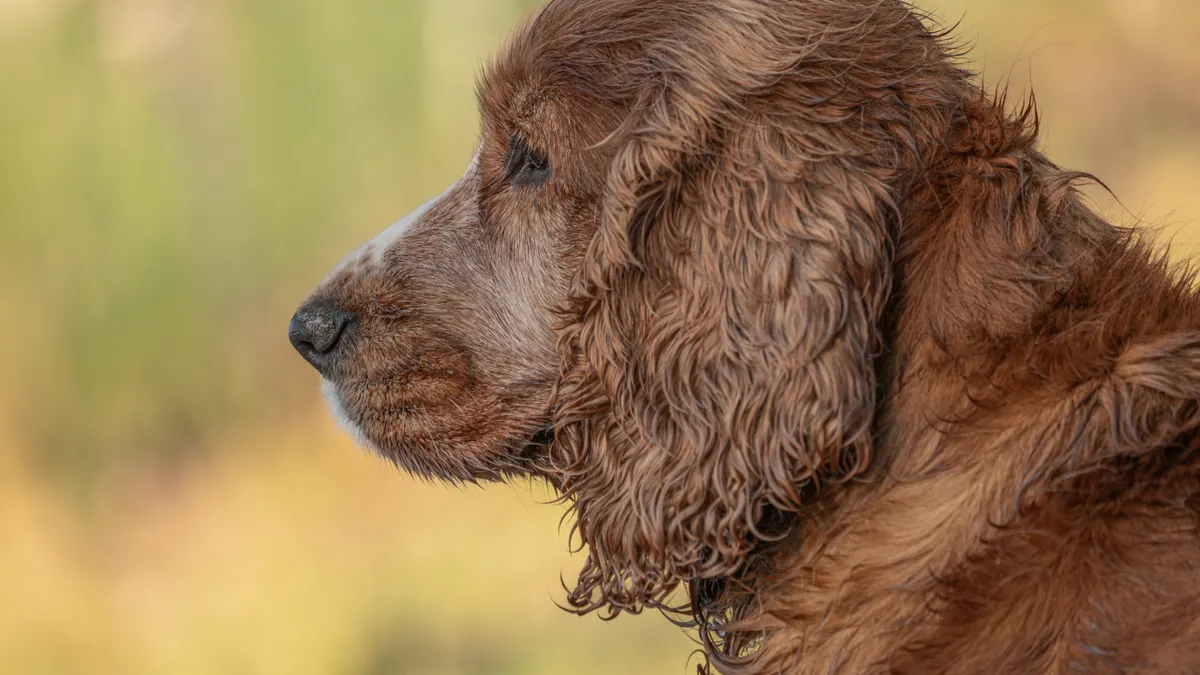
Age limits and underwriting are the two filters that decide whether a senior dog gets a policy and what kind of policy it is. Age limit means the maximum age at which a dog can be newly enrolled. Underwriting means the company’s review of the dog’s records and risk profile before deciding terms.
The process usually starts with the application. Expect questions about the dog’s date of birth, breed, spay or neuter status, current medications, and any prior diagnoses, but check the insurer’s form or a licensed adviser if any item is unclear. Then comes record review. Insurers may ask for veterinary records from the last 12 to 24 months, and sometimes longer if a condition appears chronic. The exact lookback period varies by company and is one reason it is wise to gather records before applying. The APCIA pet insurance page is a useful industry reference.
A typical review looks for recurring signs rather than just labels. “Limping” documented three times can matter even if no formal arthritis diagnosis exists. “Periodontal disease” or “dental calculus” can affect dental coverage even before teeth are extracted. “Vomiting episodes” may lead to exclusions for gastrointestinal problems if they recur around the start of the policy. The insurer is trying to separate a new illness from a known problem that was already developing.
Here is the practical sequence to follow:
- Confirm the dog’s exact age in months or years. Use the adoption record, vaccine record, or veterinary file. Verify the date of birth matches every document. A mismatch can trigger a delay or denial. If the age is estimated, that uncertainty is a problem because age cutoffs are usually firm. If needed, ask the veterinarian or insurer to confirm how the date will be used.
- Collect at least 12 to 24 months of veterinary records before applying. Request exam notes, lab results, imaging reports, and medication lists. Verify the records include dates and diagnoses, and consult the clinic if anything is missing. Missing dates or incomplete records can slow underwriting or lead to a broader exclusion list. Keep copies for your own file.
- List every current symptom, treatment, and long-term medication. Include arthritis pain relief, dental cleanings, ear medication, allergy treatment, and urinary supplements. Verify the list matches the chart, and ask a qualified professional if anything is hard to classify. If the insurer later finds an omitted medication, it may question the application.
- Check the plan’s age cutoff and renewal age rules. Some policies accept new applicants only up to a set age, but renewals continue afterward. Verify whether the cutoff applies at application or policy effective date, and confirm the timing with the insurer or a licensed adviser. If the dog is near the threshold, timing can determine eligibility.
- Read the waiting periods for illness, accidents, and orthopedic conditions. Use the policy wording, not a sales summary. Verify the waiting period is measured from the policy start date, and ask for written clarification if the terms are unclear. If a condition appears during that period, the insurer may classify it as pre-existing or not covered yet.
- Compare coverage limits and reimbursement structure. Look for annual, per-condition, or lifetime limits, plus deductible and reimbursement percentage language. Verify whether the limit resets each policy year. If the limit is low, one surgery or chronic condition can exhaust it quickly. A [coverage limits explainer](/pet-insurance-coverage-limits) can help.
- Ask how the policy treats common senior-dog conditions. Get the wording on arthritis, dental disease, cruciate ligament injury, diabetes, and cancer in writing if possible. Verify whether they are covered as new conditions only, and confirm the answer with the insurer or an adviser. If the answer is vague, the policy may not protect the dog where you expect it to.
A good result is not “everything is covered.” A good result is a policy that clearly states what is covered, what is excluded, and how long the waiting periods last. If the answer is impossible to pin down before purchase, that is a warning sign.
What medical history matters most when insuring an older dog?
The most important medical history is anything that looks chronic, recurring, or unresolved at enrollment, because that is the material insurers use to classify pre-existing conditions and apply exclusions.
Arthritis is a common example. If a veterinarian has documented stiffness, reduced range of motion, or joint pain, a carrier may exclude that joint problem or that limb from future orthopedic claims. Even when the dog is mobile, the record can still matter if pain medication or joint supplements are already in use. The diagnosis does not need to be dramatic to affect coverage.
Dental disease matters too. Many older dogs have periodontal disease, tartar buildup, broken teeth, or a history of extractions. Some policies cover dental illness only within strict limits, while others exclude routine dental care, pre-existing dental problems, or missing teeth that were already present. A dog with a recent dental cleaning is not automatically protected from future dental claims.
Old injuries and recurring conditions deserve the same attention. A healed cruciate ligament injury can affect future knee coverage. Chronic ear infections can affect ear-related claims. Repeated vomiting, skin infections, or urinary issues may lead to exclusions for those body systems if they appear before the policy begins or during the waiting period.
Medication history is often more revealing than the diagnosis label. A long-term NSAID, thyroid drug, or allergy medication tells the underwriter that a condition is ongoing, not a one-off event. Even supplements can be relevant if they were prescribed to manage an existing issue.
The key is to read the record the way an underwriter would. Anything that says “recheck in 6 weeks,” “monitor,” “chronic,” or “recurrent” deserves attention. Those words usually mean the condition is not just in the past. For a related checklist, see the veterinary record guide.
Coverage limits, waiting periods, and exclusions that hit senior dogs hardest
Coverage limits, waiting periods, and exclusions matter more for older dogs because the claims are more likely to involve chronic or overlapping conditions. A senior dog does not need a rare disease to run into a policy ceiling; arthritis, dental work, and one surgery can be enough.
Waiting periods deserve special care. Illness waiting periods are often shorter than orthopedic ones, and orthopedic delays can be longer than general illness delays. The exact days differ by insurer and country, so the policy wording matters more than a sales page. If a dog shows symptoms during the waiting period, the insurer may treat the issue as pre-existing or not yet eligible. The NAIC guide and insurer contract should be checked together.
Coverage limits can be structured in different ways. An annual limit caps how much the insurer will pay in a policy year. A per-condition limit caps one diagnosis. A lifetime limit caps the total across years. Older dogs with multiple conditions may hit any of those ceilings sooner than a younger dog would. That does not make the policy useless, but it changes the math.
Exclusions are where many owners get surprised. A policy can cover future accidents while excluding the knee problem already in the record. It can cover new tooth fractures while excluding periodontal disease. It can cover a new cancer diagnosis while leaving hip dysplasia out of scope if the symptoms were documented before enrollment. The dog is insured, but not against every expensive event.
This is also where a common mistake appears: people assume “new condition” means any diagnosis made after purchase. It does not. If the signs started earlier, the insurer may view it as pre-existing even if the formal diagnosis came later. That distinction is central for older dogs, because records often show symptoms before labels.
When should you stop and get qualified help?
You should pause and get qualified help whenever the dog’s record, age, or policy language makes the coverage boundary unclear enough that a wrong assumption could cost real money.
The dog is close to the age cutoff: A difference of weeks or months can decide eligibility — ask the insurer, in writing if possible, whether the cutoff is based on application date, effective date, or renewal date.
The veterinary record shows recurring symptoms without a formal diagnosis: “Intermittent lameness” or “repeated otitis” can be treated like an underlying condition — ask the veterinarian to clarify the chart and ask the insurer how it would classify the history.
The dog is already on long-term medication: Ongoing treatment usually signals an active condition — expect exclusions or limited coverage and have the medication list reviewed before buying.
The policy summary and the full contract do not match: Marketing language may be simpler than the actual terms — rely on the contract, and if the language is unclear, get a licensed adviser or the insurer’s written explanation.
The dog has had orthopedic, dental, or cancer-related issues: These are expensive categories with frequent exclusions or waiting periods — confirm how the plan handles each category before enrollment.
The insurer requests more records than you expected: A broader review can change the offer or delay approval — send the complete records rather than guessing at what matters.
The consequence of stopping here is simple: you avoid assuming coverage that will not exist when a claim is filed. That is worth more than a quick signup.
Common mistakes with older dogs and pet insurance
The biggest mistake is buying on the headline and ignoring the exclusions page. A policy can advertise illness and accident coverage while leaving out the exact issue an older dog is most likely to develop. The consequence is a premium paid for protection that does not apply when the dog needs it. The better approach is to read the sections on exclusions, waiting periods, and conditions already noted in the record.
Another mistake is assuming a clean current exam wipes the slate clean. A dog may look healthy on the day of enrollment and still carry a record of recurring stiffness, skin infections, or dental disease. The consequence is surprise when the insurer denies a claim as pre-existing. The better approach is to review the chart, not just the latest visit.
A third mistake is underestimating how fast a chronic condition can use up a coverage limit. One series of appointments, imaging, and medication can run through a low annual cap quickly. The consequence is paying the rest out of pocket. The better approach is to check the limit structure, not just the reimbursement percentage.
A fourth mistake is ignoring waiting periods because the dog “seems fine.” Senior dogs often have hidden problems that become obvious after purchase, when the waiting period still applies. The consequence is a claim denial or an exclusion. The better approach is to buy only when the record and timing line up with the policy window.
A fifth mistake is leaving out old treatments on the application. The consequence can be rescission, claim disputes, or more exclusions. The better approach is full disclosure and a copy of the application for your records.
What changes after enrollment, and what does not
Enrollment can protect against new covered conditions, but it does not erase the dog’s prior medical history. That is the boundary to understand before and after the policy starts.
What changes is the insurer’s obligation on covered future events. If the dog develops a brand-new condition after the waiting periods end, and the condition is not excluded, a claim may be eligible under the policy terms. That is the upside of coverage for a senior dog: protection against expensive নতুন problems that were not part of the record at enrollment.
What does not change is the paper trail. If the file already shows a problem, the policy usually does not convert that problem into covered care just because time has passed. For that reason, older-dog buyers should treat the application, record review, and policy wording as part of the same decision.
If you want a next step, compare plans with the same record in mind and ask how each carrier handles age limits, exclusions, and waiting periods before you enroll.
Drafted with AI; not yet reviewed by a person.