Last updated: October 20, 2026
Key Takeaways
- Standard pet insurance usually excludes spay and neuter unless a wellness rider says otherwise.
- Coverage depends on the exact benefit wording, and five policy details should be checked before booking.
- Reimbursement usually means you pay first, file the claim, and wait for the insurer’s decision.
- Spay and neuter is not covered when routine care is excluded, the waiting period is still active, or the age rule is missed.
Quick Answer
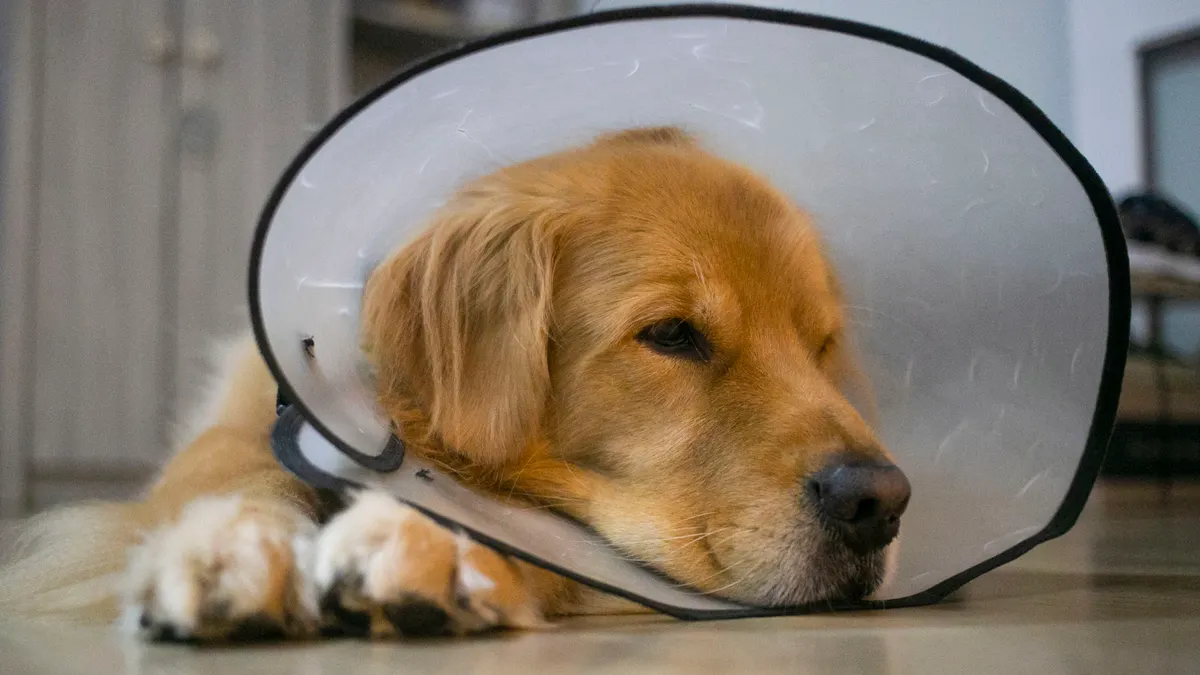
No, standard pet insurance usually does not cover spay and neuter for puppies and kittens, but a wellness add-on can cover it on some policies. The procedure is often scheduled at 4 to 6 months of age, so timing matters.
If you are trying to decide whether the policy you already have will help with spay or neuter surgery, this guide explains how coverage is usually structured, what reimbursement rules to check, and where people get tripped up by waiting periods and age requirements. For your own policy, a veterinarian or the insurer should confirm the details in writing.
What this answer applies to
This applies to pet owners asking whether spay and neuter surgery is covered under a pet insurance policy already under consideration or already in force. It assumes you know the basics of the procedure itself: spay means ovariohysterectomy or ovariectomy for a female pet, and neuter usually means castration for a male pet. It also assumes you are trying to understand insurance language, not veterinary surgery technique.
The short version is that standard accident-and-illness insurance usually does not pay for elective sterilization on its own. Coverage is more likely when the policy includes a preventive care rider, wellness plan, or routine care package that lists spay or neuter as an eligible benefit. Some insurers reimburse a set amount for that benefit, while others reimburse a percentage after you submit an itemized invoice. The exact rules differ by insurer, state, and country, and policy terms can change.
This page is not the place to sort out every pet insurance detail. It focuses on sterilization only, because that is the question at hand. If you are also trying to compare broader policy structures, that belongs on a separate page about pet insurance for puppies and kittens. Here, the point is narrower: what kind of coverage, if any, applies to spay and neuter surgery and what you need to verify before you book the appointment.
Does pet insurance cover spay and neuter surgery?
Standard pet insurance usually does not cover spay and neuter surgery by default. The reason is simple: insurers generally classify sterilization as planned routine care, not an unexpected medical event. Accident-only policies almost never include it, and accident-and-illness policies usually exclude elective procedures unless a rider says otherwise.
A preventive care rider changes that picture. Preventive care riders, sometimes called wellness add-ons, are optional benefits that can reimburse routine services such as vaccines, parasite prevention, dental cleanings, microchipping, and—on some plans—spay or neuter surgery. The rider may reimburse a fixed allowance or a listed service amount, rather than the full invoice. That difference matters, because reimbursement is not the same thing as direct payment. You still pay the veterinarian first, then file the claim if the plan allows it.
The fine print decides the result. Some policies cover sterilization only if the pet meets an age minimum, such as being older than a certain number of months. Some require the policy to be active for a waiting period before the benefit starts. Others exclude the procedure entirely once the pet is past a certain age or if it was already scheduled before the coverage began. A policy may also distinguish between routine elective spay/neuter and surgery performed to treat a medical condition, such as pyometra or cryptorchidism, which can fall under illness coverage rather than routine care. If the wording is unclear, a veterinarian or the insurer should interpret it before you schedule surgery.
A useful way to think about it is this: if the policy is silent, assume spay and neuter are not covered. If the policy names the procedure in a preventive care schedule, assume coverage exists only within that schedule’s limits. That is the part people miss when they skim a brochure and see “wellness” in large print.
What to check in the policy before you book surgery
The policy can cover spay and neuter only if the exact benefit language says it can, and you need to check five details before scheduling. Start with the declarations page or benefit schedule, then read the reimbursement section, exclusions, and waiting periods. A claims page alone is not enough, because a claim may be denied if the benefit was never active.
First, look for the term “routine care,” “preventive care,” or “wellness rider.” If spay or neuter is listed there, note whether the policy names the procedure directly or groups it under a general allowance. Second, check whether the plan pays a dollar amount per year or reimburses a percentage of eligible charges. Third, look for any age requirement, such as a minimum age at surgery or an upper age cutoff for the benefit. Fourth, confirm the waiting period. A waiting period is the time after enrollment before the benefit becomes available, and it may be different for routine care than for accident-and-illness coverage. Fifth, verify whether the policy requires pre-authorization, a veterinary recommendation, or specific billing codes.
Billing codes matter because some insurers want the invoice to separate the surgery, anesthesia, pre-op exam, pain medication, and any lab work. If the invoice is too vague, the claim can stall or the insurer may reimburse only part of the bill. Ask the clinic whether it can itemize the procedure before you pay. That step is especially useful if the policy reimburses after submission instead of paying the clinic directly.
If the insurer has an online sample policy, read the actual exclusion list, not just the marketing page. The difference between “may include” and “includes” is where many claims go wrong.
How the reimbursement process usually works
Reimbursement for spay and neuter usually follows a simple sequence: you pay the veterinary bill, submit the claim, and wait for the insurer to process it. Most policies use reimbursement rather than direct billing, so the clinic does not typically collect payment from the insurer at checkout.
The usual process begins before surgery. Confirm that the policy is active, the waiting period has passed, and the pet meets any age rule. Then ask the clinic for an itemized estimate showing the surgery, anesthesia, exam fee, and any add-ons. If the policy covers only the procedure itself, the estimate helps you see which line items may fall outside the benefit. If the policy uses a fixed wellness allowance, the estimate helps you decide whether the allowance is likely to cover the entire amount or only part of it.
On the day of surgery, keep every document. That includes the invoice, discharge summary, and any form the insurer asks for. The claim should match the pet’s name, microchip number if listed, date of service, and itemized charges. If the clinic uses shorthand like “OVH” or “neuter,” that is fine as long as the invoice is readable and the insurer recognizes the term. If the invoice is missing anesthesia or medication charges, the insurer may ask for a revised copy.
After submission, the insurer reviews whether the procedure qualifies under the policy and whether the benefit cap has already been used for the plan year. Some plans reset annually, while others limit one sterilization benefit for the lifetime of the policy. That difference is important for people buying coverage for a young puppy or kitten and assuming the benefit will remain available later.
The practical lesson is that reimbursement only works cleanly when the paperwork is precise. A policy that “covers” spay and neuter but requires a clean claim can still produce a disappointing payout if the invoice is incomplete.
When standard coverage does not apply
Standard coverage does not apply when the policy excludes elective sterilization, the waiting period has not ended, or the pet does not meet the age rule. In those cases, the benefit is unavailable even if the broader policy is active.
The policy is accident-only: It usually covers injury, not routine surgery — You should not expect sterilization reimbursement and should confirm whether a wellness add-on can be added later.
The policy lists spay and neuter as excluded routine care: The insurer has drawn a bright line around the procedure — You need to treat the surgery as outside coverage unless the exclusion is removed by a separate rider, and a veterinarian or the insurer can confirm that reading.
The waiting period has not expired: The benefit is not yet in force — You may need to postpone the claim or, if the surgery is time-sensitive for medical reasons, ask the insurer whether illness coverage applies instead.
The pet is outside the listed age window: The plan may cap eligibility at a specific stage of development — You should confirm whether the benefit disappears after a certain age or whether only the recommended timing changes.
The procedure is already scheduled before coverage starts: Pre-existing timing can matter in insurance contracts — You need to read whether the insurer treats scheduled care as excluded, even if the actual surgery occurs after enrollment.
The invoice is not itemized: The insurer may be unable to separate covered and non-covered charges — Ask the clinic for a line-by-line statement before filing the claim.
These are not abstract paper problems. They are the most common reasons a pet owner thinks a policy should help, then discovers it does not. If the procedure is medically necessary rather than elective, the rules can shift, but that is a separate coverage question and should be confirmed directly with the insurer and the veterinarian.
The mistakes people make with spay and neuter claims
The most common mistake is assuming all pet insurance works the same way. It does not, and that assumption can lead to a denied claim even when the policy included a wellness rider. A policy summary is not enough; the benefit schedule and exclusions control the outcome.
Another mistake is waiting until the surgery date to check the waiting period. If the rider has a 14-day or 30-day delay, depending on the insurer, a claim filed too soon may be rejected. The correct alternative is to confirm activation before booking the procedure.
A third mistake is mixing up a wellness plan with full insurance. A wellness plan often covers routine care only, while accident-and-illness insurance handles unexpected medical problems. Some products combine both, but many do not. If a reader expects the wellness add-on to pay a surgical bill in full, the result can be a gap between the clinic charge and the reimbursement amount.
A fourth mistake is skipping the itemized invoice. If the clinic submits a single line that says “surgery” without anesthesia or medication details, the insurer may process only part of the claim or ask for more documents. The right move is to request a detailed invoice before paying, if possible.
A fifth mistake is ignoring the pet’s age. Some plans are written for puppies and kittens, but the sterilization benefit may still have a minimum age or a limited window. The alternative is to match the surgery date to the policy language, not the general recommendation from social media or a breeder.
A sixth mistake is assuming a claim denial means the surgery was never covered under any circumstance. Some denials happen because the paperwork was incomplete or the timing was wrong. Before giving up, check whether the denial cites exclusions, waiting periods, or missing records. Those are different problems with different fixes.
What changes for puppies and kittens?
Puppies and kittens often fit the age profile that wellness benefits are written for, but they are not covered more generously just because they are young. The policy still controls the result, and the benefit usually depends on timing, not age alone.
This is where age requirements become practical. Many veterinarians discuss spay and neuter timing in terms of growth, breed, and behavior, and some recommend surgery around 4 to 6 months for many pets, though exact timing can vary by species, size, and clinical judgment. Insurance does not replace that discussion. If the policy says the procedure must happen after a minimum age or after a certain number of days on the plan, that rule still applies.
For kittens, the issue is often whether the wellness benefit is active before the first veterinary year is over. For puppies, the issue is often whether the first policy term includes the right waiting period and whether the plan’s annual allowance resets before surgery occurs. A young pet can still miss coverage if the owner enrolls late or books surgery before the benefit starts.
This is also where preventive care riders are most useful. If the rider explicitly includes sterilization, it can turn a routine surgery into a reimbursable item rather than an uncovered expense. If it does not, the pet’s age does not change the answer.
What a careful reader should verify before filing a claim
A careful reader should verify the benefit name, the waiting period, the age rule, the invoice format, and the reimbursement limit before filing a claim. Those five checks usually decide whether the claim is processed cleanly or stalls for documentation.
Start with the exact wording in the policy. If it says “spay/neuter benefit,” that is stronger than a vague reference to “preventive services.” Then confirm whether the benefit is included automatically or only through a rider purchased separately. Next, check whether the insurer limits reimbursement to a specific dollar amount, a percentage, or one covered procedure per policy year. If the policy uses a set allowance, the amount may not stretch to cover the full bill, especially if the clinic charges separately for pre-op bloodwork or pain medication.
Then look at the claim submission method. Some insurers want a photo of the invoice through an app, while others still require a PDF or portal upload. The faster method does not matter if the invoice is unreadable. Finally, save the denial explanation if one appears. The wording tells you whether the problem is timing, eligibility, or documentation.
If the policy language is unclear, the safest move is to ask the insurer for the answer in writing before the surgery date. That can prevent a guess from being treated as fact later.
The bottom line on spay and neuter coverage
Spay and neuter are usually covered only when a pet insurance policy includes preventive care or wellness coverage that names the procedure, and even then the benefit is often limited by waiting periods, age rules, and reimbursement caps. Standard accident-and-illness insurance usually does not pay for routine sterilization on its own.
That means the real question is not “Does pet insurance cover spay and neuter?” but “Does this policy’s wellness or preventive care benefit cover it, under these exact terms?” If the answer is yes, the next step is to check the timing and paperwork. If the answer is no, the surgery is still routine veterinary care, just outside the insurance contract.
For readers planning ahead for a young pet, compare the policy documents with your veterinarian’s timing recommendation before you schedule the surgery.
Drafted with AI; not yet reviewed by a person.